
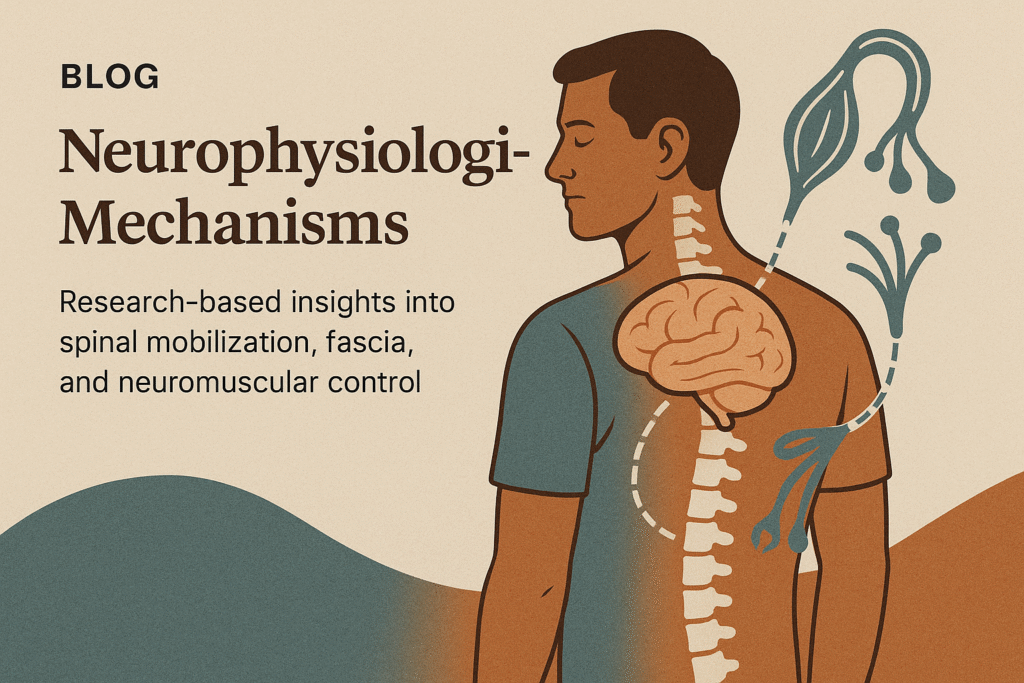
Neurophysiological Mechanisms: Research-Based Insights into Spinal Mobilization, Fascia, and Neuromuscular Control
The human body functions as an intricate network of communication between the brain, nerves, and musculoskeletal system. Osteopathy recognizes this deep interconnection, and modern research increasingly supports its influence on neurophysiological mechanisms such as spinal mobilization, fascia dynamics, and neuromuscular control.
The Science Behind Spinal Mobilization
Spinal mobilization is a gentle, controlled technique used by osteopaths to restore mobility and relieve tension in the spine. Beyond improving posture and reducing pain, this technique affects the central nervous system by modulating pain perception and improving reflex activity. Studies suggest that mobilization enhances proprioceptive feedback—our body’s ability to sense position and movement—helping the nervous system recalibrate for better coordination and stability.
The Role of Fascia in Movement and Sensation
Fascia, the body’s connective tissue network, plays a crucial role in transmitting mechanical forces and facilitating communication across muscles and organs. When fascia becomes restricted, it can impede movement and disrupt neural signaling. Osteopathic manipulation restores fascial elasticity, improving fluid exchange, circulation, and the body’s sensory input pathways. This in turn enhances motor control and tissue healing.
Neuromuscular Control: The Mind-Body Connection
Neuromuscular control refers to the body’s ability to coordinate movement efficiently through muscle activation patterns. Osteopathic interventions influence this control system by optimizing how nerves send and receive signals. Through techniques that reduce muscular tension and enhance joint movement, osteopathy supports smoother, more responsive motor activity.
Bridging Traditional Philosophy with Modern Science
What makes osteopathy unique is its balance between traditional wisdom and scientific understanding. By addressing the neurophysiological mechanisms underlying spinal function, fascia, and neuromuscular control, osteopathy not only alleviates discomfort but enhances overall body intelligence. This approach promotes resilience, fluidity, and balance—foundations of long-term health.
Conclusion
Emerging research continues to validate osteopathy’s profound impact on the body’s internal communication systems. Through precise manual techniques, practitioners can influence neurological feedback loops, improve movement efficiency, and support holistic recovery. Understanding these neurophysiological mechanisms brings us one step closer to integrating science and holistic healing in modern healthcare.