
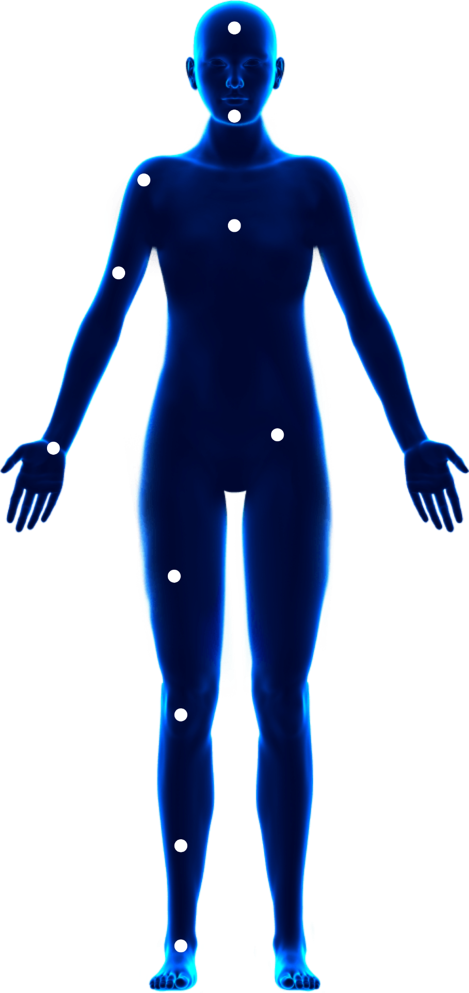
Interactive Body map
Osteopathy is a gentle, hands-on approach to healthcare that focuses on treating and strengthening the body’s muscles, joints, and spine. It is based on the principle that your body functions as a single, connected unit—so when one part is not working well, it can affect the whole system.
Osteopathic treatment does not rely on medication or surgery. Instead, it uses safe manual techniques such as soft-tissue stretching, joint mobilization, manipulation, and targeted pressure to restore balance, improve mobility, and relieve pain. Osteopaths aim to identify the root cause of discomfort rather than just treating symptoms.
Head
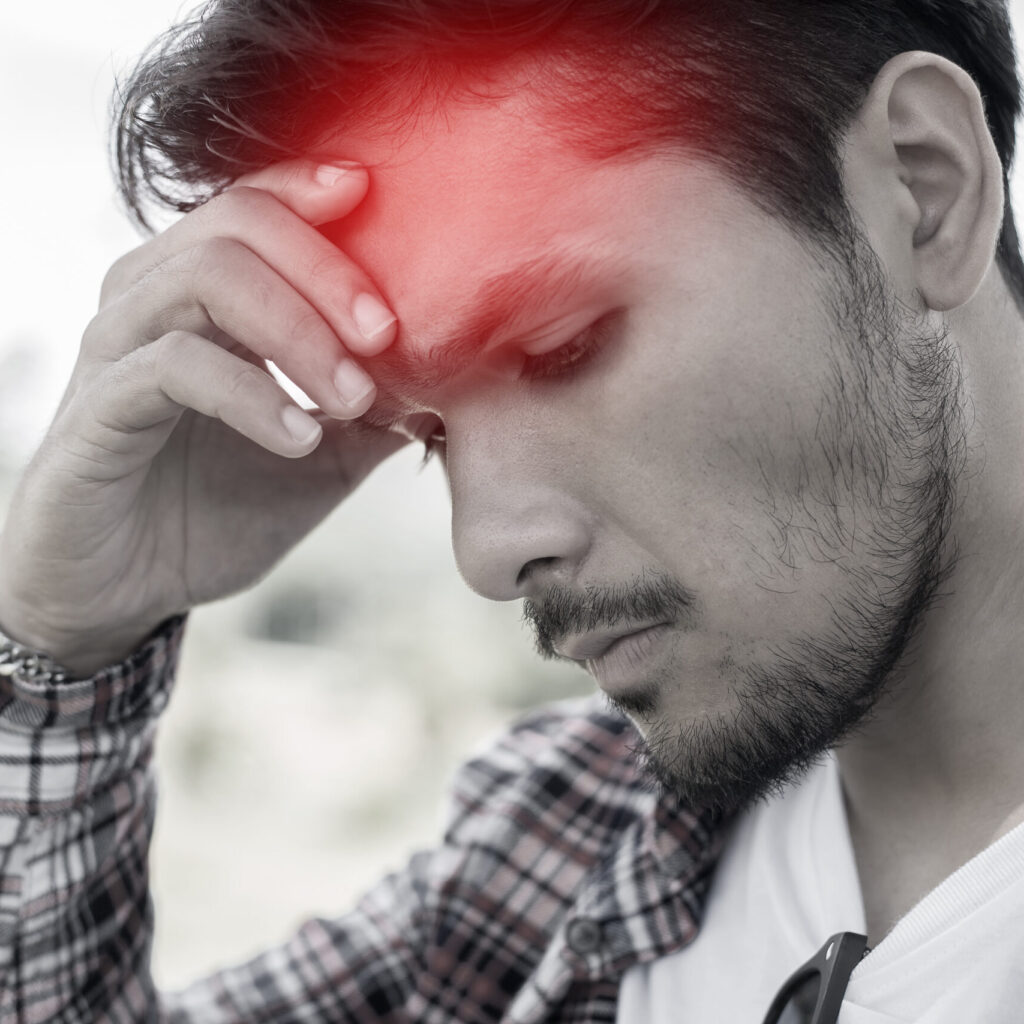
Headaches, migraine and dizziness disorders are some of the most common conditions that people experience worldwide and they negatively impact people’s lives in many ways.
Some osteopaths may also treating concussions and post-concussion syndrome.
Finding an osteopath with the knowledge, training and skills in these fields is vital to ensure that you are being thoroughly assessed, diagnosed and treated properly for your condition so that you receive the best outcomes.
Jaws
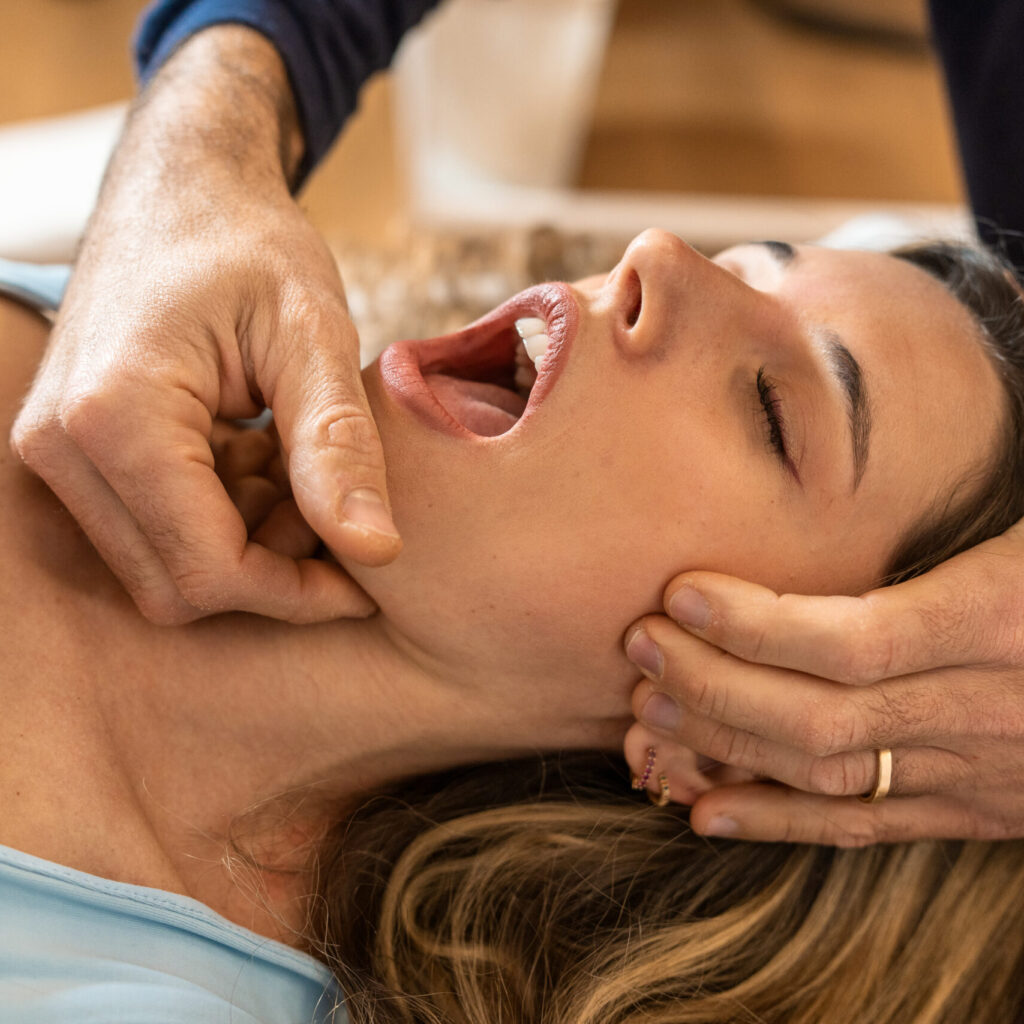
Jaw pain is very common, affecting up to 60 to 70% of the population. Women are at least four times as likely to suffer from the disorder. The temporomandibular joint (TMJ) is the joint that connects the jaw to the skull on each side of the face. Problems can cause pain, abnormal jaw movements and joint noises.
Pain might be caused by muscle tightness or weakness, mobility problems in the jaw or upper spine. Your osteopath will ask you about your lifestyle, medications, activities to find out more about your pain, and will examine your jaw and surrounding areas, often using their hands to feel for any problems. Your jaw pain may be related to other issues, such as headaches or earaches.
Shoulder Pain
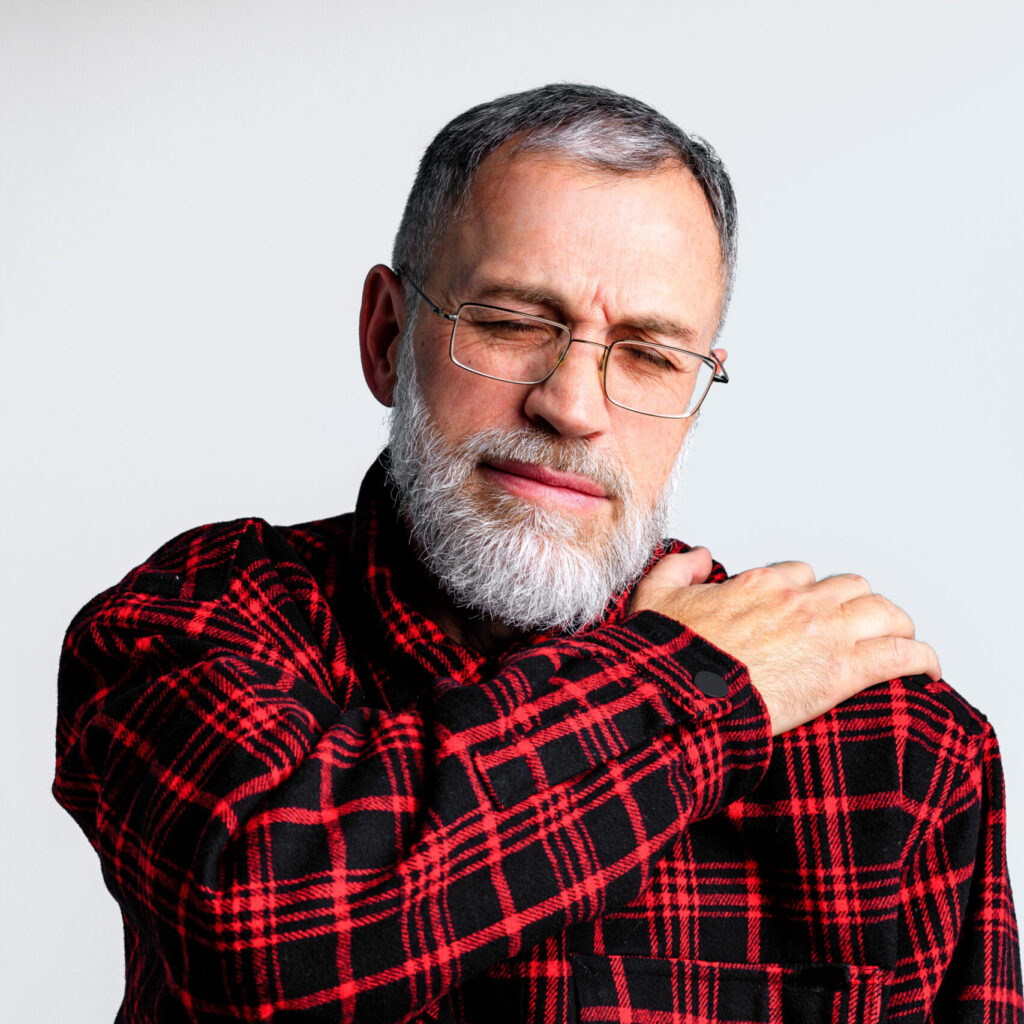
The shoulder joint is complex. Many things can cause shoulder pain. In younger people, shoulder pain is more likely to be due to an accident or injury. However, as you get older, natural wear and tear occurs in the shoulder joint and the rotator cuff tendon. Over time, this may become persistent
Your osteo will assess the area of pain and discuss activities and lifestyle factors that might be relevant to your condition. They will work with you to:
- Improve muscle flexibility in the shoulder area
- Improve range of joint motion in the mid back, neck, shoulder blade and shoulder
- Address postural strains and bad habits
- Provide advice on maintaining flexibility and strength around the shoulder region
- Provide exercises for stretching and recovery
- Help you change the way you do some activities, to help reduce pain and prevent further injury
Chest/upper body pain
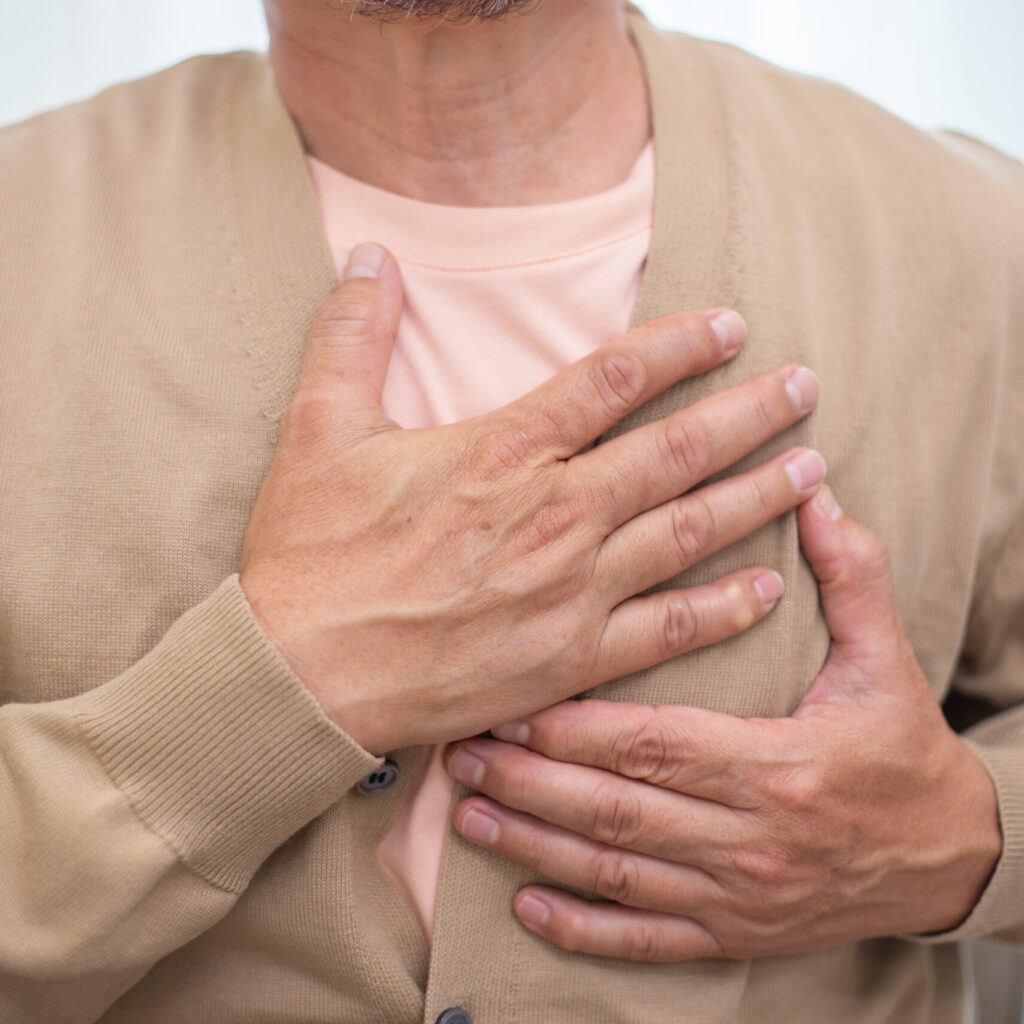
The muscles in and around the chest help with movement of the upper body, arms and neck, but also with vital functions like breathing.
In such a complex area, it is very common for people to experience pain or discomfort in these bones, joints and tissues, for a variety of reasons.
Osteos are trained to manage a broad range of conditions affecting your chest including:
- Problems with the muscles and other structures in and around the ribcage, such as rib sprain
- Muscle and joint pain relief for people with breathing conditions, or those recovering from respiratory illnesses
Arm conditions
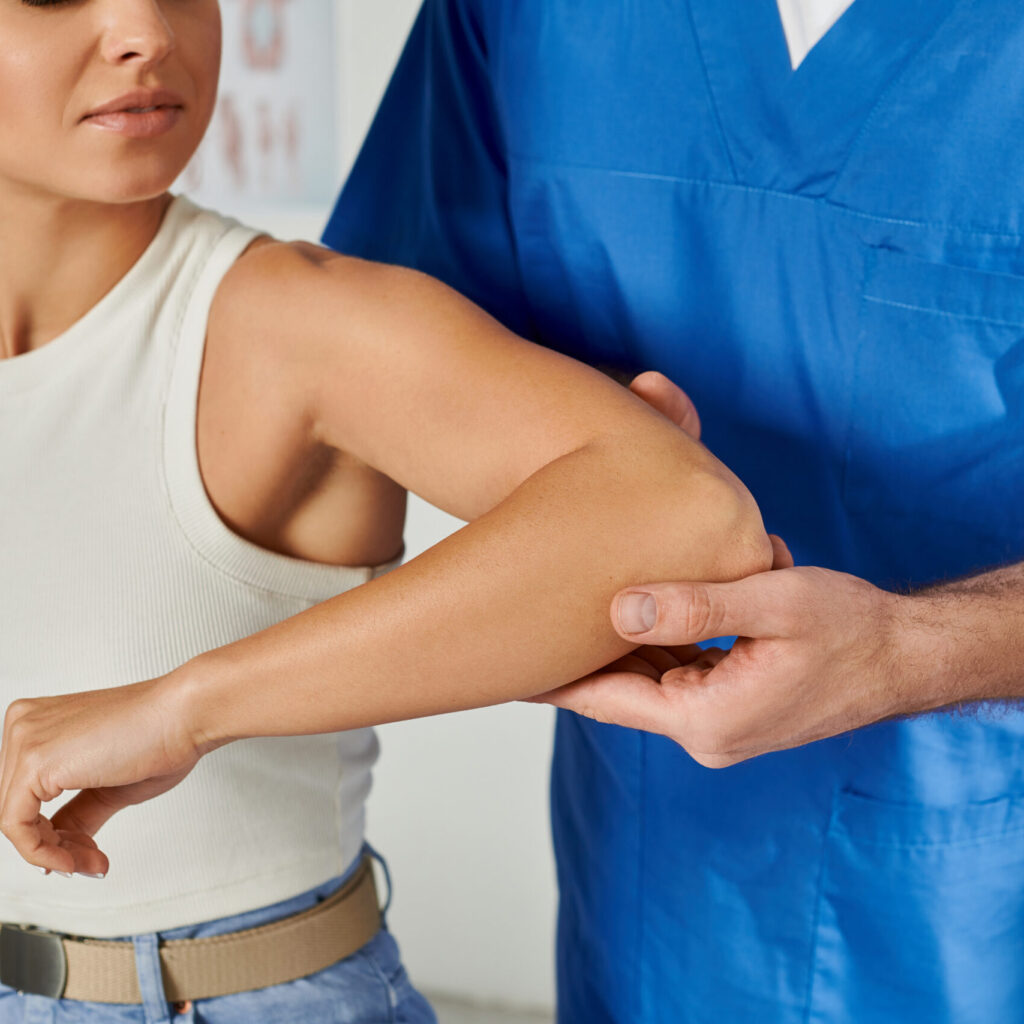
Apart from the elbow, your arm has many important muscles, tendons, nerves and other tissues connecting your shoulder, the upper and lower arm – all the way to your wrist and hands.
Sometimes pain in other areas might come from the arm. For example, shoulder pain could actually be caused by the tendon connecting the bicep to the shoulder. Hand and wrist pain could be caused by problems in the nerves in your arm. Osteopaths know all these interconnecting links between different parts of your body.
Forearm pain can sometimes be caused by overuse – such as too much time on a computer, or too much of one activity. Tell your osteo what activities you do, and they will work with you to manage your way back to being pain free.
Wrist and hand
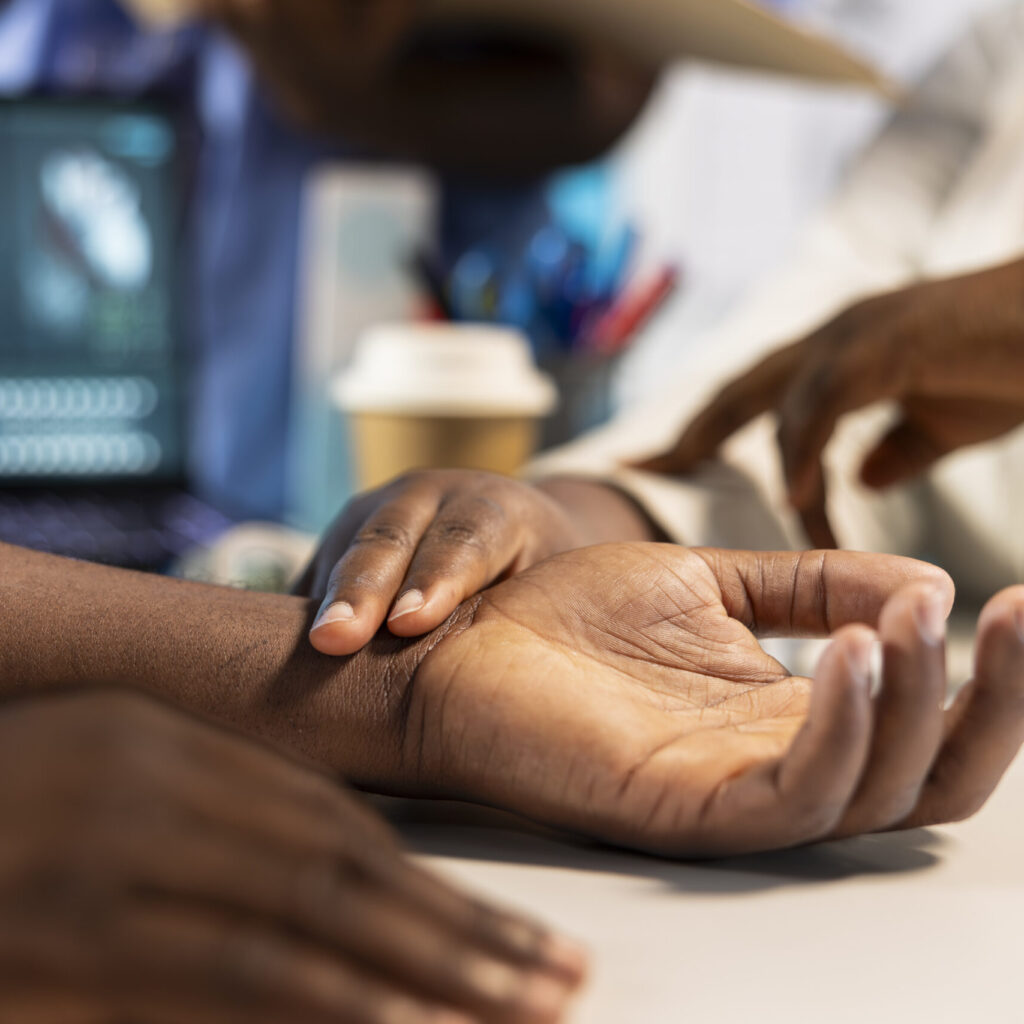
The wrist and hands have many small bones, joints and other tissues. Your wrist or hand problems may be influenced by other parts of your body. Your osteo is highly trained to look at your whole body – to look at the links between your pain and the movements, strength and flexibility of your hand, wrist, elbow, shoulder and even your upper back.
Pelvis
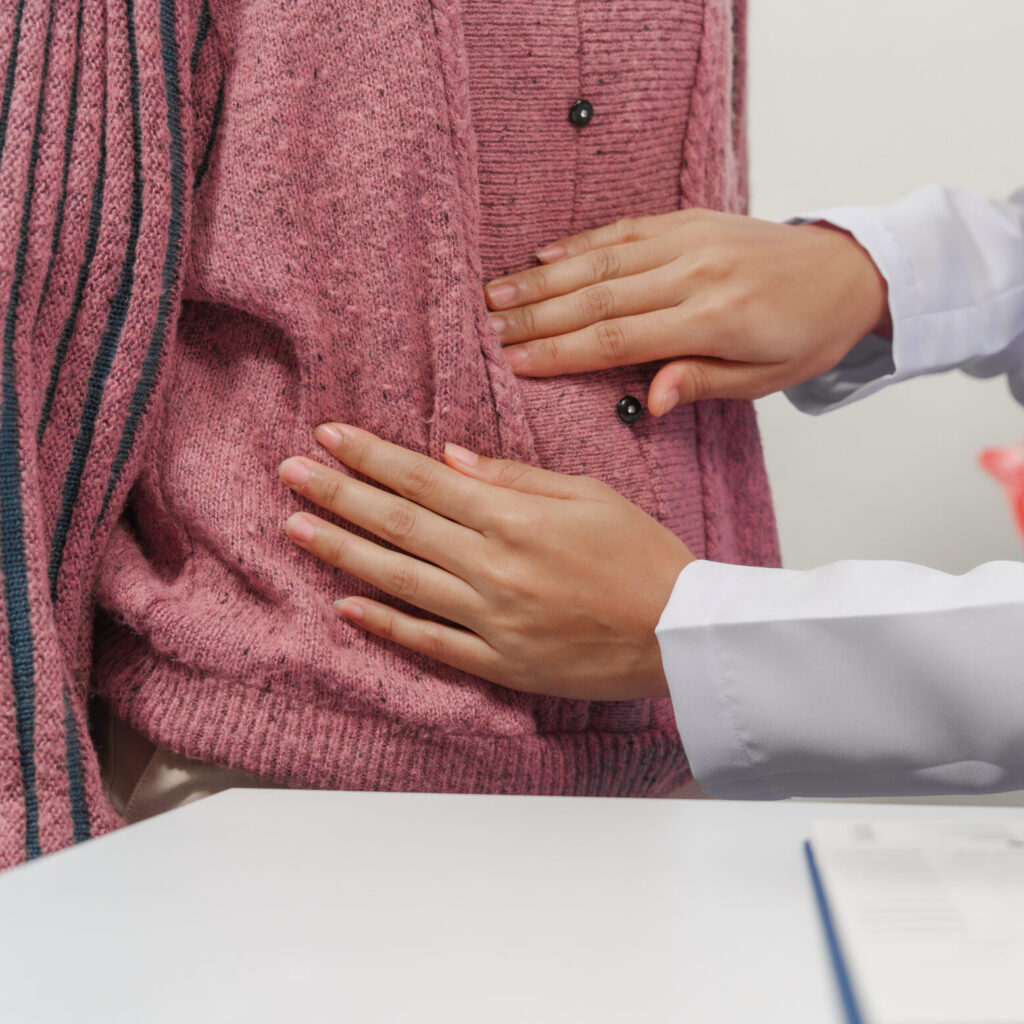
Your pelvis is a complex transition area between your legs and the rest of your body – such as your legs, back, ribs, or shoulders. Osteos take a whole body approach. They are trained to find the links between all these parts of the body and your pelvic pain.
Tell your osteo your story. Tell them about your pain – what you think it is, what makes it worse, how it makes you feel. Your osteo is listening. They will give you the right mix of therapy, support and advice for your condition.
Upper leg
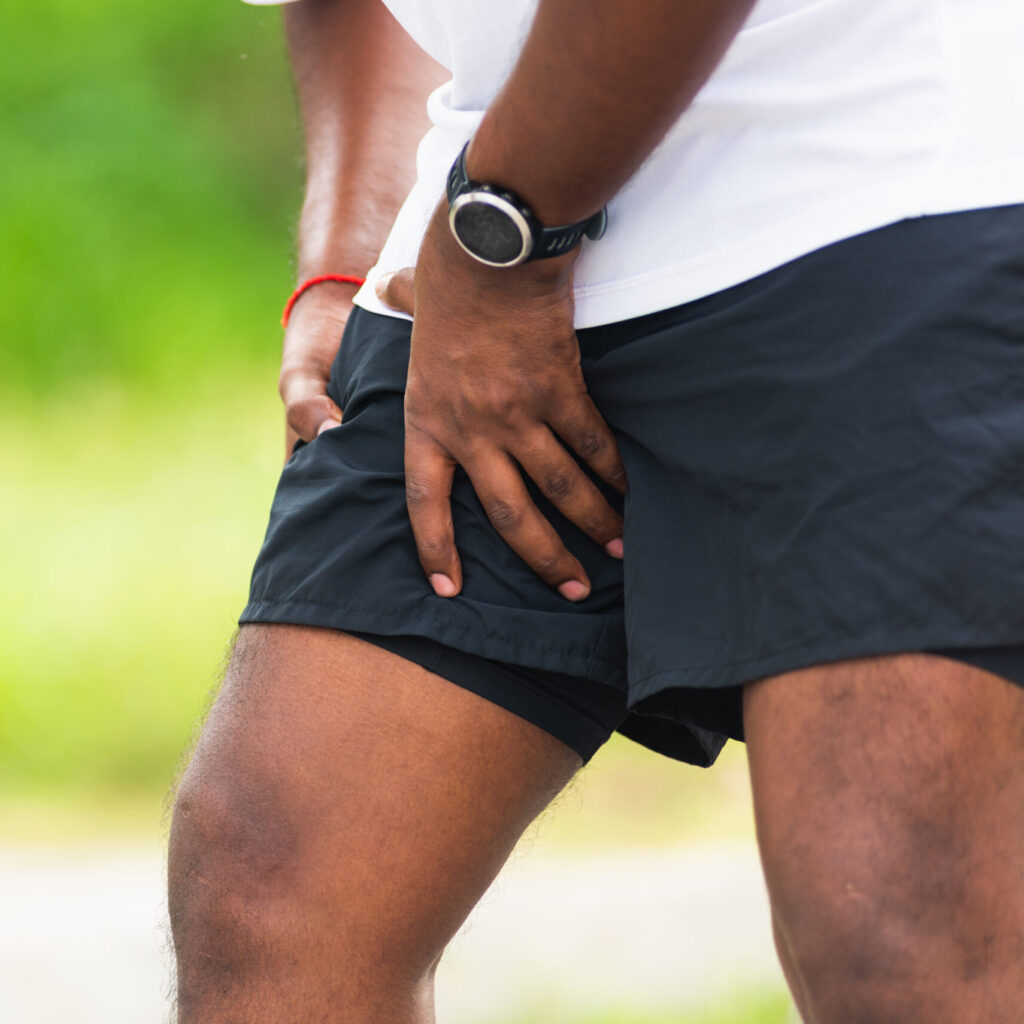
With such large muscle groups working together to help you move and support your body, injuries in your upper leg are very common. The muscles include your gluteals (buttock), quadriceps (thigh), hamstrings (at the back of the leg), and adductors (groin and inside leg), Plus many other tendons and tissues (e.g. your ilio-tibial band, your patella tendon)
Whether you are an elite sportsperson, a weekend warrior or you just like to walk, speak with your osteo about the best approach to manage or prevent an upper leg injury.
Knee
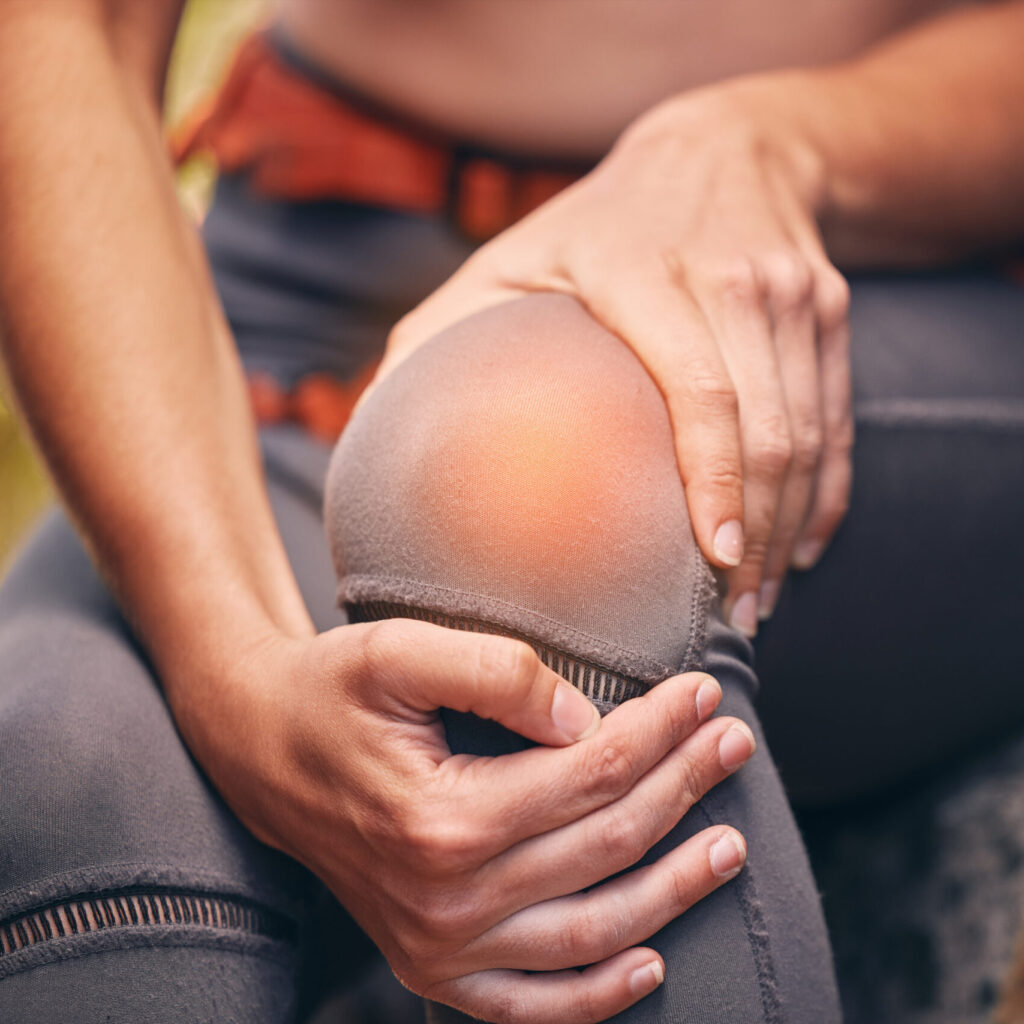
Knee injuries can happen suddenly (e.g. during sport or exercise) or from wear and tear over time. Many knee conditions can be managed with the right combination of advice, exercise and treatment.
Your osteo will find out the cause of your knee pain and help you correct the mechanics of your knee and other joints so that you can move around with confidence and comfort.
An interesting fact – did you know that knee osteoarthritis accounts for 85% of the burden of arthritis worldwide. Key treatments include education, exercise and weight loss.
Talk to your osteo today about how you can manage your knee pain.
Lower leg
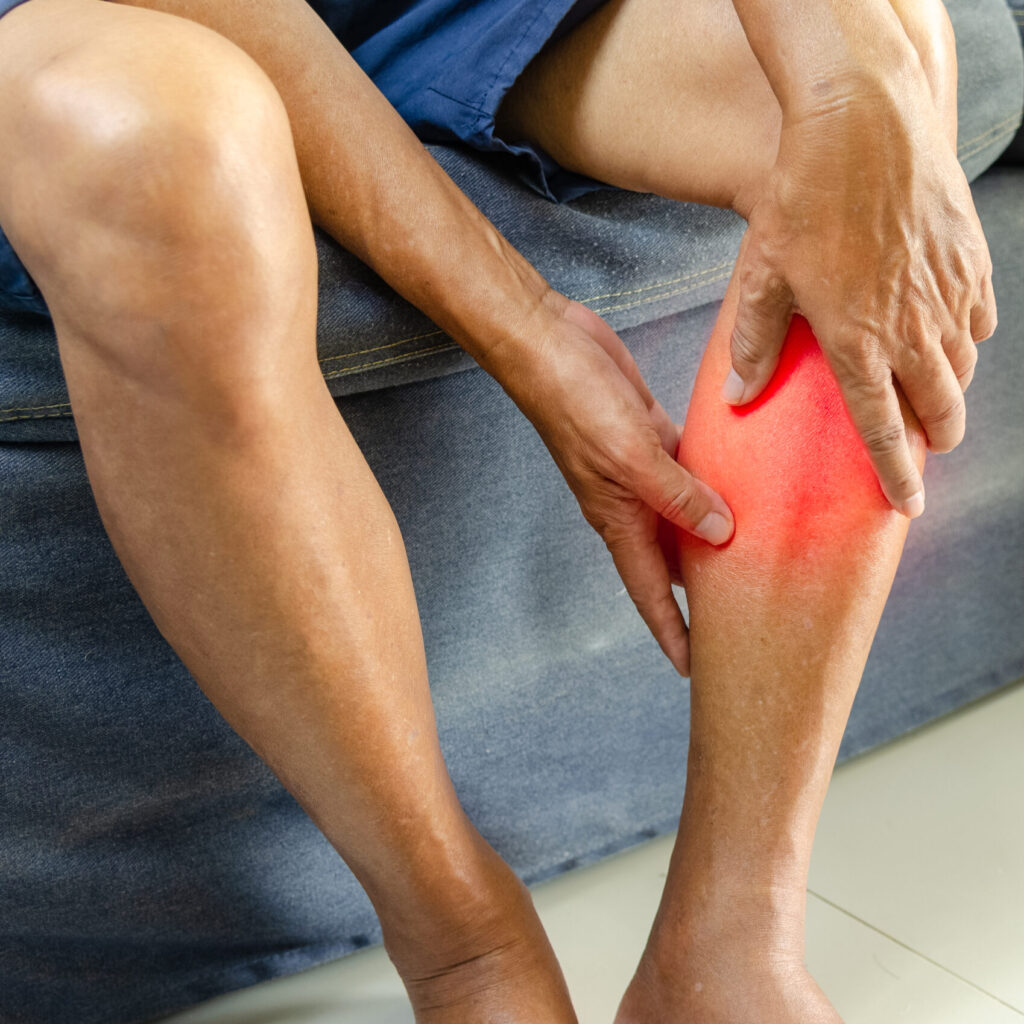
Tell your osteo about your injury, how it happened. Talk about the activities you enjoy and about your general health. They will listen, then work with you on a management plan to get you back on the pitch, on your bike, into the garden, or playing with your grandchildren.
Your osteo may also look for links between your injury and other things that might influence the injury. This might include testing your muscle strength or how you perform certain activities.
Ankle and foot
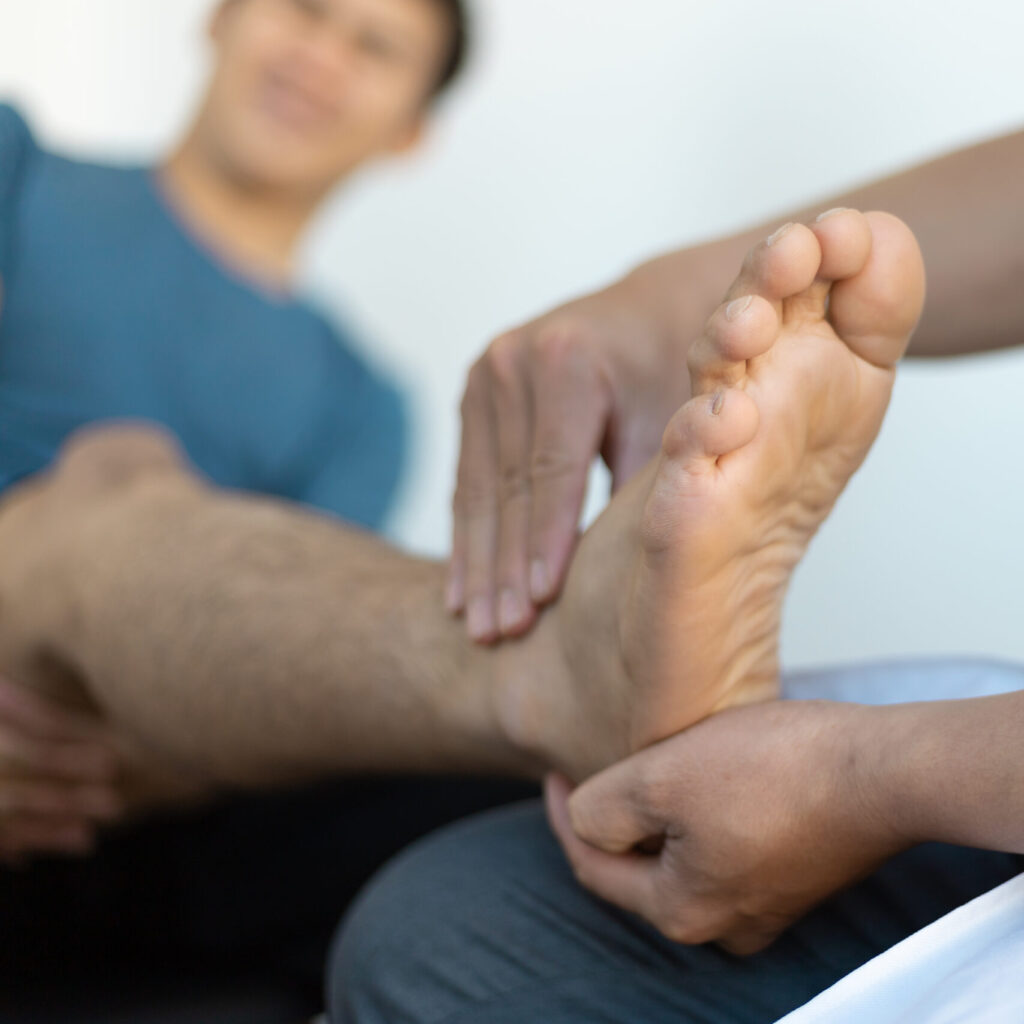
Ankle injuries can take a few days to heal or many months. In addition to sprains, you can injure your ankle in other ways, for example, if your foot rolls inward or you land heavily on your leg. Pain can be in a very specific place or general pain around the ankle, depending on the injury.
Problems with your feet may result in pain or injury further up your body such as your knees, hips or back. It’s important to seek help when you feel pain or when your normal activities become difficult. Your osteo will advise and treat your injury and tell you about how you can get moving again.